EnglandLondon Dry · Contemporary Dry
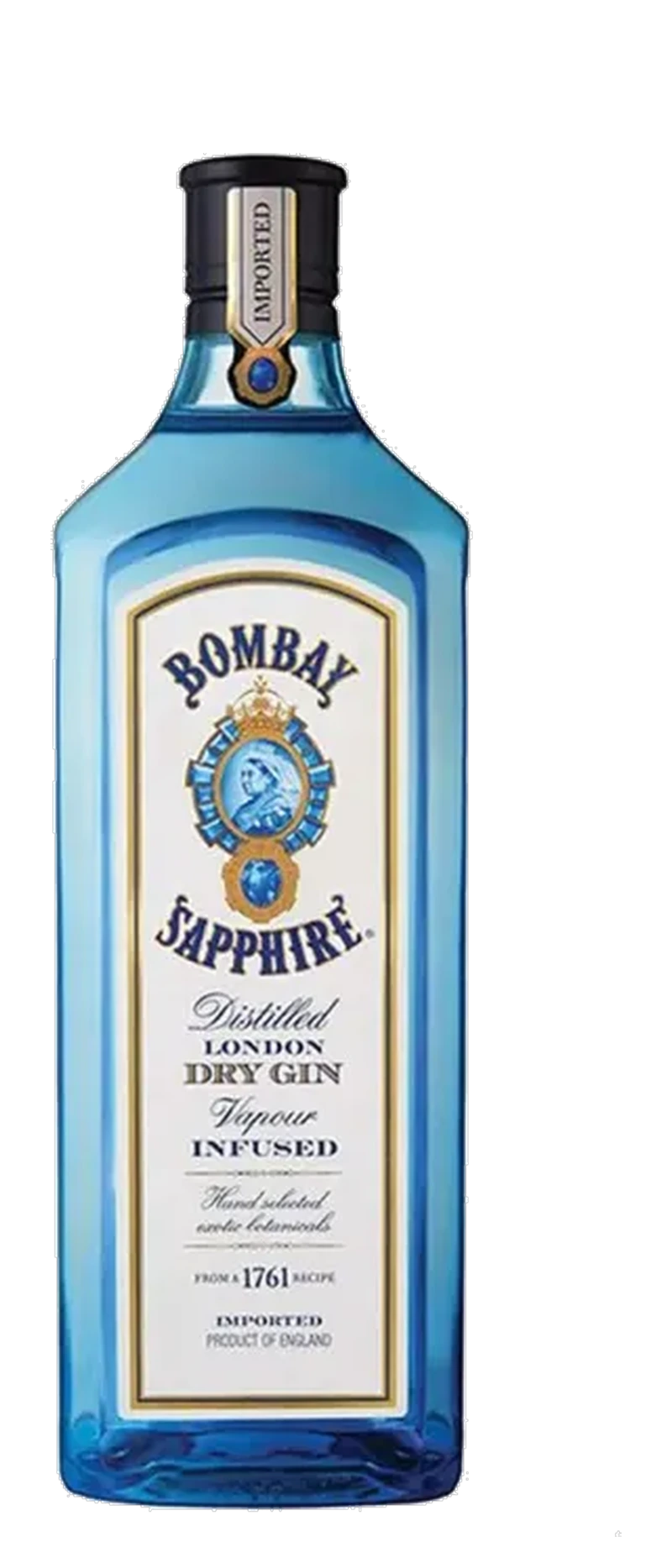
Bombay Sapphire
"Polished, perfumed, perfectly mixable. The blue bottle for a reason."
BENO Gin DNA
A flavor map, in ten lines.
An in-house flavor read across ten axes. Not a lab test — a guide from people who pour this gin every night.
- Juniper2
- Citrus3
- Floral4
- Spice3
- Herbal2
- Fruit0
- Earthy1
- Coastal0
- Sweetness2
- Complexity4
Flavor Notes
Nose, palate, finish.
Nose
Lighter, more floral aromatic profile with botanicals including lemon peel, angelica, and orris root
Palate
Lighter, floral taste with ten botanicals including almond, lemon peel, liquorice, juniper berries, orris root, angelica, coriander, cassia, cubeb, and grains of paradise
Finish
Not specified in source
Dominant Botanicals
What's in the still.
Choose This If
You want a soft, aromatic G&T with lifted floral and citrus.
Avoid This If
You want big bold juniper bite.
Best Served As
How we'd pour it.
BENO Note
"Vapor-infused — botanicals never touch the spirit. That's why it tastes airy."
The Story
Where it comes from.
Launched in 1986 by English wine merchants, Bombay Sapphire takes its name from gin and tonic's colonial heyday in India and the legendary violet-blue Star of Bombay sapphire, once mined in Ceylon and now housed at the Smithsonian. Now owned by Bacardi, the brand moved production to the restored Laverstoke Mill in Hampshire in 2014, complete with Heatherwick-designed glasshouses growing its botanicals.
Why This Bottle Matters
The flat-sided sapphire-blue bottle bears Queen Victoria's portrait on the label, a nod to the Raj-era origins of the gin and tonic. The brand's home at Laverstoke Mill includes two striking Thomas Heatherwick glasshouses where botanicals are cultivated on-site.
Similar Gins
Same DNA, different stories.
Upgrade Path
Same mood, higher price.
Wildcard